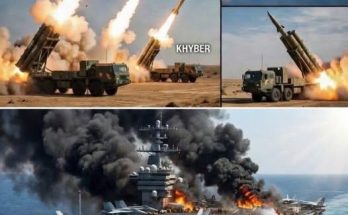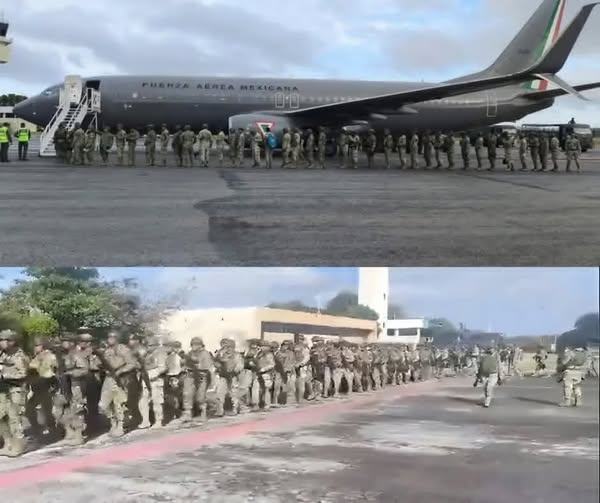
HT16. Latest News: Mexico mobilizes its armed forces… see more
Images circulating online that appear to show Mexican troops assembling near military aircraft have recently drawn public attention and discussion. While social media posts often spread quickly, it is important to rely on verified information and contextual understanding when interpreting such images. Military movements can occur for many routine and officially authorized reasons, including training exercises, disaster response preparation, and support for national security operations.
Mexico’s armed forces frequently conduct organized troop deployments as part of their regular duties. These operations may involve coordination between the Army, Air Force, Navy, and other security institutions to maintain readiness and respond effectively to national needs.
This article explains the structure of Mexico’s military, the reasons troops may be mobilized, and how these deployments support public safety, disaster response, and national stability.
Mexico’s Armed Forces: Structure and Responsibilities
Mexico’s military is composed of three main branches:
- The Mexican Army (Ejército Mexicano)
- The Mexican Air Force (Fuerza Aérea Mexicana)
- The Mexican Navy (Secretaría de Marina)
These institutions operate under the authority of the federal government and play an important role in protecting national sovereignty and supporting civil authorities.
According to official information from Mexico’s Ministry of National Defense (SEDENA) and the Ministry of the Navy (SEMAR), the armed forces are responsible for a range of activities beyond traditional defense duties. These include:
- Supporting national security operations
- Assisting civil authorities during emergencies
- Providing humanitarian aid during natural disasters
- Protecting critical infrastructure
- Participating in training and preparedness exercises
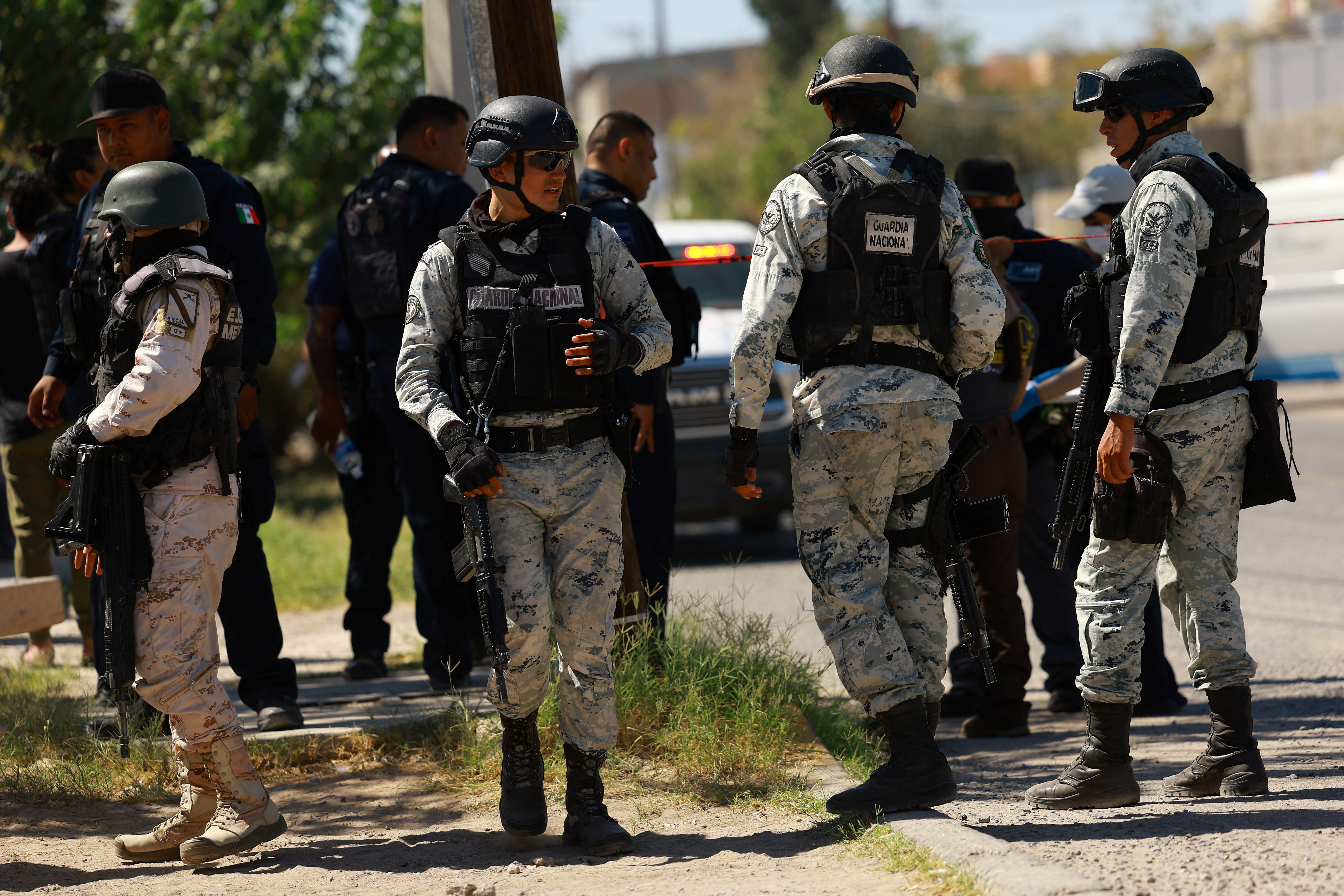
Mexico’s military also works closely with the National Guard, a security force created in 2019 to strengthen public safety efforts across the country.
Why Troops Are Mobilized in Mexico
When images of soldiers gathering or moving in large numbers appear online, they often represent organized military deployments that occur for several routine reasons.
National Security Operations
One of the primary roles of the armed forces is assisting federal and local authorities in maintaining security. In some regions, the military may support law enforcement agencies by conducting patrols, monitoring key infrastructure, or participating in coordinated operations aimed at maintaining public order.
These operations are typically conducted under the legal framework established by the Mexican government and are intended to strengthen security efforts when additional personnel are required.
Disaster Response and Humanitarian Aid
Mexico is prone to natural disasters such as hurricanes, earthquakes, floods, and wildfires. The armed forces play a critical role in responding to these events through well-established emergency programs.
One of the most recognized initiatives is Plan DN-III-E, a disaster relief program operated by the Mexican Army and Air Force. This plan enables rapid deployment of military personnel to assist civilians during emergencies.
Plan DN-III-E operations often include:
- Evacuating residents from affected areas
- Delivering food, water, and medical supplies
- Providing temporary shelter and medical assistance
- Clearing debris and restoring access to roads and infrastructure
The Mexican Navy runs a similar disaster response program known as Plan Marina, which focuses on coastal and maritime regions.
During hurricanes or major storms, thousands of military personnel may be mobilized to provide support to local communities.
Training and Preparedness Exercises
Another common reason for troop mobilization is military training.
Training exercises are essential for maintaining readiness and ensuring that units can respond effectively to emergencies or security challenges. These exercises may involve large groups of soldiers moving between bases, practicing coordination with aircraft, or conducting simulated operations.
Transport aircraft belonging to the Mexican Air Force are frequently used during these exercises to move personnel and equipment quickly across the country.
The Role of Military Aircraft in Deployments
Images showing soldiers boarding transport planes marked “Fuerza Aérea Mexicana” highlight an important aspect of military logistics.
Transport aircraft allow the armed forces to move personnel and equipment rapidly over long distances. This capability is particularly valuable in a country as geographically diverse as Mexico.
Military transport planes are often used for:
- Rapid troop deployment
- Delivering humanitarian supplies
- Evacuating civilians during emergencies
- Supporting disaster relief missions
- Conducting training operations
These aircraft help ensure that military units can reach remote or affected areas quickly when assistance is required.
Coordination With Civil Authorities
Mexico’s armed forces frequently operate in coordination with civilian institutions. This collaboration ensures that military resources are used effectively while respecting the country’s legal framework.
Key partners often include:
- The National Guard
- Federal and state police agencies
- Civil protection authorities
- Emergency response organizations
Through joint operations, these institutions can respond more efficiently to security challenges and natural disasters.
For example, during hurricanes affecting coastal regions, civil protection authorities coordinate evacuation plans while the military assists with transportation, shelter setup, and distribution of supplies.
Military Presence in Public Safety Efforts
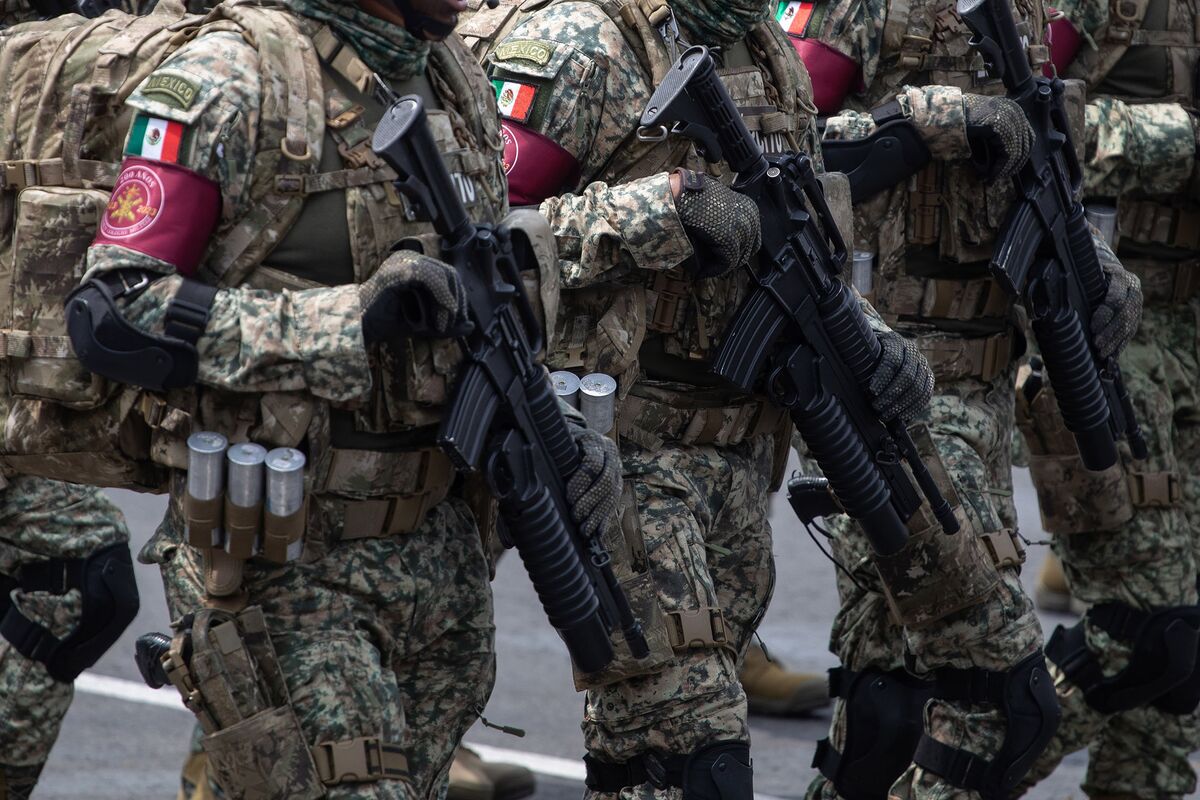
In recent years, Mexico’s government has relied more heavily on the armed forces to support public safety initiatives. This approach has been implemented as part of broader strategies aimed at improving security conditions in various regions.
The National Guard, which operates under civilian authority but receives training and support from military institutions, plays a central role in these efforts.
Military personnel may assist with:
- Security patrols
- Infrastructure protection
- Border monitoring
- Logistics and transportation support
These operations are conducted under the authority of federal institutions and are designed to complement the work of civilian law enforcement agencies.
Public Response to Military Deployments
When images of military mobilizations circulate online, they often attract widespread attention.
Public reactions can vary. Some individuals interpret these scenes as evidence of proactive government action, while others view them simply as routine demonstrations of military readiness.
Without official statements confirming the purpose of a specific deployment, images alone rarely provide full context. Military exercises, training movements, and disaster preparedness activities can all appear similar when captured in photographs.
For this reason, it is important to rely on verified announcements from official sources such as:
- Mexico’s Ministry of National Defense (SEDENA)
- The Ministry of the Navy (SEMAR)
- Federal government press releases
These sources provide confirmed information regarding major military operations and deployments.The Importance of Military Preparedness
Maintaining a capable and organized military is a key element of national resilience.
Preparedness ensures that a country can respond effectively to various challenges, including:
- Natural disasters
- Security concerns
- Humanitarian emergencies
- Infrastructure protection needs
Regular training and coordinated troop movements allow military institutions to maintain readiness and improve their ability to respond quickly when needed.
Preparedness also strengthens coordination between the armed forces and civilian agencies responsible for emergency management.
Mexico’s Geographic Challenges and the Need for Rapid Response

Mexico’s diverse geography presents unique challenges when responding to emergencies.
The country includes:
- Extensive coastlines exposed to hurricanes
- Mountainous regions that can be difficult to access
- Large urban areas with dense populations
- Rural communities located far from major infrastructure
Because of these factors, rapid transportation of personnel and supplies is essential.
Military aircraft, transport vehicles, and organized troop deployments enable authorities to respond efficiently across large distances.
This logistical capability becomes particularly important during hurricane season or after earthquakes, when communities may require immediate assistance.
Transparency and Verified Information
The rapid spread of images and videos on social media means that military activities can attract attention even when they are routine operations.
However, not all posts provide complete or verified information about what is happening.
Government institutions typically release official statements when significant operations occur. These statements provide accurate details about the purpose of deployments and the role of military personnel.
Relying on verified sources helps prevent misunderstandings and ensures that discussions about military activity are based on factual information rather than speculation.
Conclusion
Images showing Mexican soldiers assembling near military aircraft and marching in formation have generated interest online. While such scenes can appear dramatic, they often reflect routine aspects of military operations, including training exercises, disaster preparedness, or coordinated deployments supporting national security efforts.
Mexico’s armed forces play an important role not only in defending the country but also in assisting communities during emergencies and supporting civil authorities when additional resources are needed.
Programs such as Plan DN-III-E demonstrate how the military contributes to disaster response and humanitarian assistance across the country. Through coordinated planning, transportation capabilities, and trained personnel, these institutions help ensure that Mexico can respond quickly to challenges ranging from natural disasters to public safety needs.
As with any widely shared images or reports, it is essential to rely on verified information from official sources to understand the context of military activities. Doing so helps provide a clearer picture of how the armed forces operate and how they contribute to national preparedness and stability.