HT16. These are the consequences of having se… See more
Many daily habits happen almost automatically. We rarely stop to think about why our bodies prompt us to do certain things or how these small actions influence our long-term health. Yet some of these seemingly minor routines can make a meaningful difference in preventing discomfort, illness, or ongoing health issues.
One such habit is the urge to urinate after intimate activity. For many people, especially women, this sensation appears naturally and often immediately after closeness with a partner. While it may feel incidental, this response plays an important role in protecting the urinary system and supporting overall reproductive health.



Understanding why this happens and why it matters can help people make informed choices about their bodies without fear, embarrassment, or misinformation.
The Body’s Natural Protective Responses

The human body functions through a network of automatic systems designed to maintain balance and protect against potential threats. These systems often operate without conscious thought, responding to physical changes in real time.
After intimate activity, several internal processes shift. Blood flow increases in the pelvic region, muscles relax and contract, and hormone levels change. These adjustments are not random. They are part of a coordinated physiological response that supports circulation, tissue health, and immune defense.
The urge to urinate is one of these protective responses. Rather than being an inconvenience, it is a signal that the body is ready to flush the urinary tract and restore equilibrium.
Why the Urge to Urinate Is Common After Intimacy
Anatomically, the bladder sits close to the uterus and other pelvic organs. During intimate activity, movement and pressure in this area can stimulate the bladder, triggering the sensation of needing to urinate.
In addition, increased kidney filtration occurs during physical arousal. This means the kidneys temporarily produce urine at a faster rate. Hormones released during moments of pleasure, such as oxytocin, also influence muscle relaxation and fluid balance, further contributing to the urge.
This combination of mechanical stimulation, hormonal activity, and increased urine production explains why many women experience a strong need to use the bathroom shortly after intimacy. It is a normal, healthy response rather than a sign of a problem.
The Role of Urination in Preventing Urinary Tract Infections
One of the most important benefits of urinating after intimacy is the reduction of urinary tract infection risk. Urinary tract infections occur when bacteria enter the urethra and multiply within the urinary system.
The most common bacteria involved in these infections normally live in the digestive tract. During intimate activity, bacteria can be transferred toward the urethral opening. If they are not removed, they may travel upward into the bladder.
Urinating soon after intimacy helps flush out bacteria before they can attach to the urinary tract lining. This simple action significantly lowers the likelihood of infection, especially for individuals who are prone to recurring urinary tract issues.
Why Women Are More Vulnerable to Urinary Infections
Women are biologically more susceptible to urinary tract infections due to anatomical differences. The female urethra is shorter and located closer to the vaginal and anal areas, which makes bacterial transfer easier.
Because of this structure, bacteria have a shorter distance to travel to reach the bladder. This does not mean infection is inevitable, but it does mean that preventive habits become especially important.
Urinating after intimacy is one of the most effective and accessible preventive measures available. It works alongside other protective mechanisms, such as natural immune responses and healthy vaginal flora.
How Urination Supports Vaginal and Urethral Health
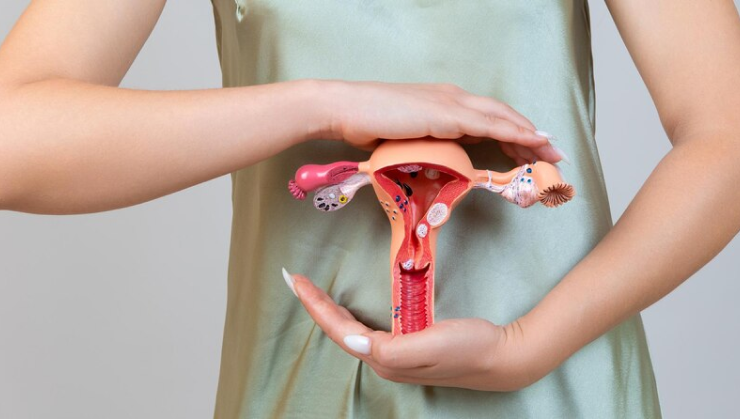
Beyond infection prevention, urination also helps maintain cleanliness in the urethral and external genital areas. By flushing the urinary passage, it removes not only bacteria but also residual fluids that could create a favorable environment for microbial growth.
During arousal, blood vessels in the pelvic region expand, increasing sensitivity and circulation. This process also provides a temporary protective effect, as surrounding tissues become more resilient to friction and pressure.
However, once this state subsides, the body transitions back to its baseline condition. Urination assists in this transition by clearing the urinary tract and supporting tissue recovery.
The Quality and Appearance of Post-Intimacy Urine
Some people notice that urine passed after intimacy appears lighter in color or lacks a strong odor. This is normal and related to increased hydration and hormonal changes.
During periods of increased kidney filtration, urine may contain a higher proportion of water and lower concentrations of waste products. This does not indicate a problem with kidney function or health.
What matters most is responding to the urge rather than delaying it. Holding urine for extended periods can allow bacteria to remain in the urinary tract longer, increasing the risk of infection.
The Risks of Ignoring the Urge to Urinate
Delaying urination after intimacy can unintentionally create conditions that favor bacterial growth. When urine remains in the bladder, it provides time for bacteria to multiply and potentially move upward within the urinary system.
For individuals with conditions such as diabetes or kidney-related concerns, this risk can be more pronounced. Elevated blood sugar levels, for example, can make infections more difficult to control once they begin.
Listening to the body’s signals and allowing natural processes to occur promptly is one of the simplest ways to reduce these risks without medication or invasive interventions.
Urination as Part of a Broader Preventive Routine
While urinating after intimacy is important, it works best as part of a broader approach to urinary and reproductive health. Adequate hydration, proper hygiene, and regular medical checkups all play supporting roles.
Drinking enough water throughout the day helps ensure regular urine production, which naturally cleanses the urinary tract. Wearing breathable clothing and avoiding harsh products in sensitive areas also supports healthy microbial balance.
These habits, combined with timely urination, create a layered defense that helps the body maintain its natural protective systems.
Understanding the Body Without Shame or Misconceptions
Discussions about bodily functions are often surrounded by discomfort or misinformation. This can prevent people from learning about simple habits that have real health benefits.
Urinating after intimacy is not something to feel awkward about. It is a normal physiological response shared by many people and supported by medical understanding.
By viewing the body as a system designed to protect itself, individuals can make choices that align with natural processes rather than working against them.
A Small Habit With Long-Term Benefits
In the broader picture of health, it is often the smallest habits that have the greatest impact. Urinating after intimacy requires no special equipment, costs nothing, and takes only a few moments.
Yet this simple action helps reduce infection risk, supports urinary comfort, and reinforces the body’s natural defense mechanisms. Over time, it can spare individuals from repeated discomfort, medical appointments, and unnecessary treatments.
Listening to your body and responding to its signals is not only practical but empowering. When understood and respected, these signals guide us toward better long-term well-being.