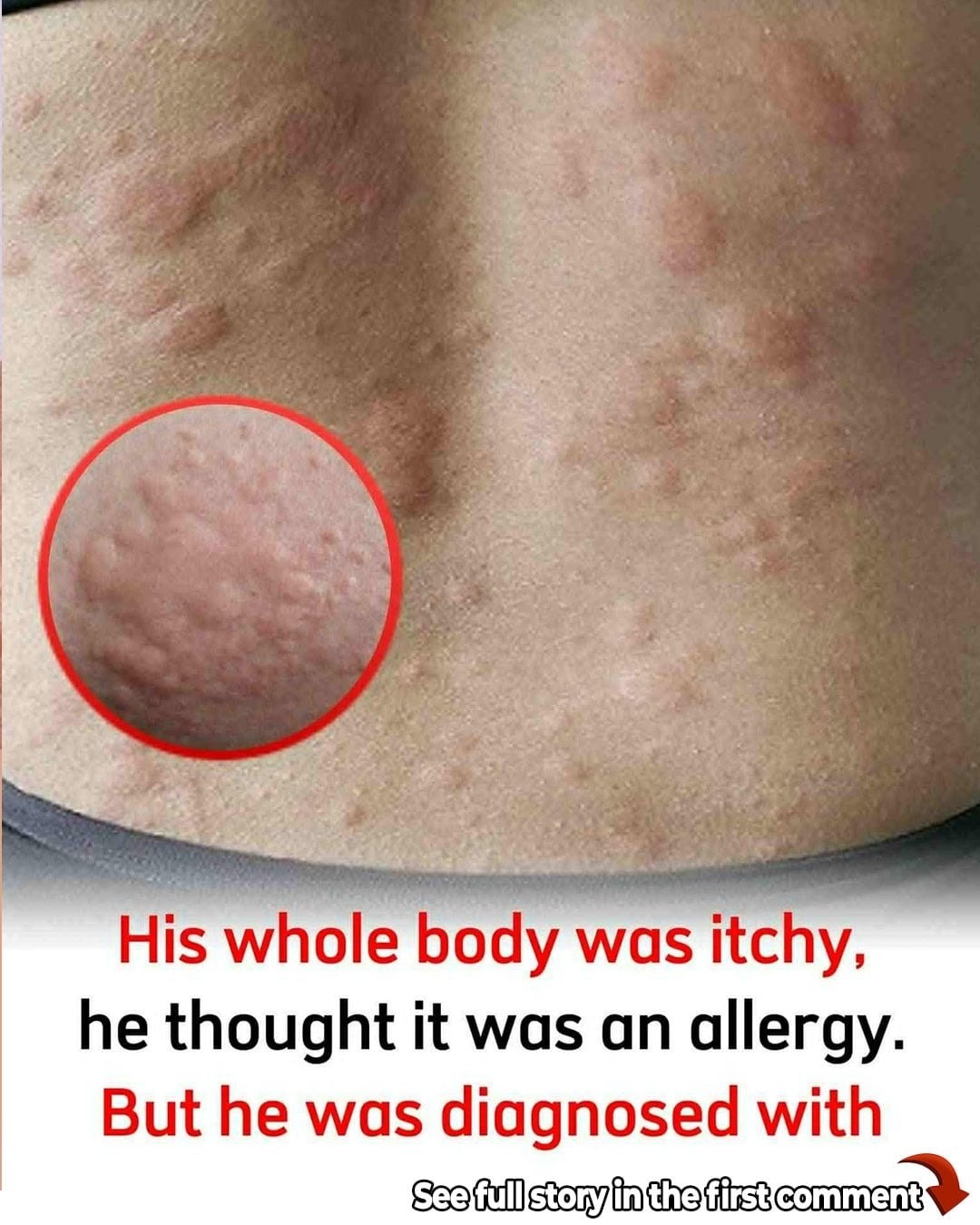







People may not know about histamines, but they have heard about antihistamines, also known as allergy medications. Histamines are natural chemicals created by the immune system, and they help us deal with allergens, the substances that cause allergies. They do this by making people sneeze, tear up, itchy, or whatever is needed to eliminate the allergen. This reaction may seem like a good thing; after all, the immune system is just trying to do its job.
But sometimes, the body, namely the histamines, can overreact and see harmless substances like pollen, dust, or pet dander as a threat. That’s where antihistamines come in to suppress this overreaction. Histamine intolerance has similar symptoms to allergies but to a further extreme. Not only can it cause itchiness and sneezing, but it could also impact other important bodily functions. Histamine intolerance may appear similar to seasonal or food allergies, but the signs vary depending on each individual case. Symptoms may include:
Read: Top 10 Subtle Signs of Anxiety Everyone Should Be Aware Of
What Does Histamine Intolerance Look Like?
- Digestive problems
- Fatigue
- Headaches or migraines
- Heartburn
- Hives
- Irregular menstrual cycles
- Nausea
- Sinus issues or congestion
- Watery eyes
- Vomiting
More severe cases of histamine intolerance may have symptoms like:

- Abdominal pain
- Anxiety
- Difficulty breathing
- Dizziness
- High blood pressure
- Irregular heart rate
- Struggle to regulate body temperature
- Swollen tissues [1]
Read: 10 Signs Of A Vitamin Deficiency And What To Do About It